
Buying Bulk vs On-Demand Supplies – What’s Better?
Running a hotel in the United States today feels like walking a tightrope. Labor costs are up, inflation lingers, and supply-chain surprises—from tariffs to shipping delays—still pop up even in 2026. Every dollar saved on towels, linens, toiletries, or cleaning products goes straight to the bottom line or back into guest experience.
So, the big question every procurement manager asks is simple: “Should I buy hotel supplies in bulk or switch to on-demand ordering?”
The honest answer? It depends on your property size, storage space, cash flow, and guest demand patterns. But one thing is clear after crunching the numbers and talking to operators across the country: the smartest hotels aren’t choosing one or the other—they’re blending both into a hybrid strategy that slashes costs while staying flexible.
In this blog we deep dive and break down the real-world “Buying Bulk vs On-Demand Supplies“, pros, cons, costs, and success stories so you can decide what works for your property—and maybe even boost your margins by 20-30% in the process.
What Bulk Buying Actually Means for Hotel Supplies
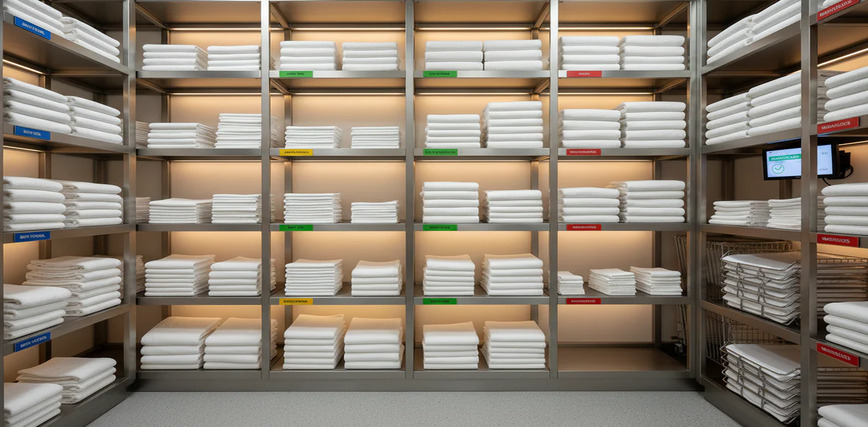
Bulk buying (also called wholesale hotel supplies) means ordering large quantities upfront—think pallets of 5,000 shampoo bottles, 200 dozen bath towels, or 50 sets of king-size sheets—at a steep discount.
US suppliers love this model. Major players and specialized wholesalers routinely offer 15-40% lower per-unit pricing once you hit minimum-order thresholds. One boutique hotel in Florida recently reported a “30% overall reduction” in amenity costs after switching its toiletries and eco-friendly slippers to bulk from a dedicated supplier.

Key advantages for US hotels:
- Locked-in pricing— Protect yourself from the next round of tariff hikes or freight increases that hit imported linens and plastic-free packaging.
- Fewer deliveries — One truck instead of ten means lower shipping fees and a smaller carbon footprint—important if your guests care about sustainability.
- Guaranteed availability— No more “out of stock” panic during peak summer or convention season.
- Stronger supplier relationships— Negotiate custom branding, priority restocking, or extended payment terms.
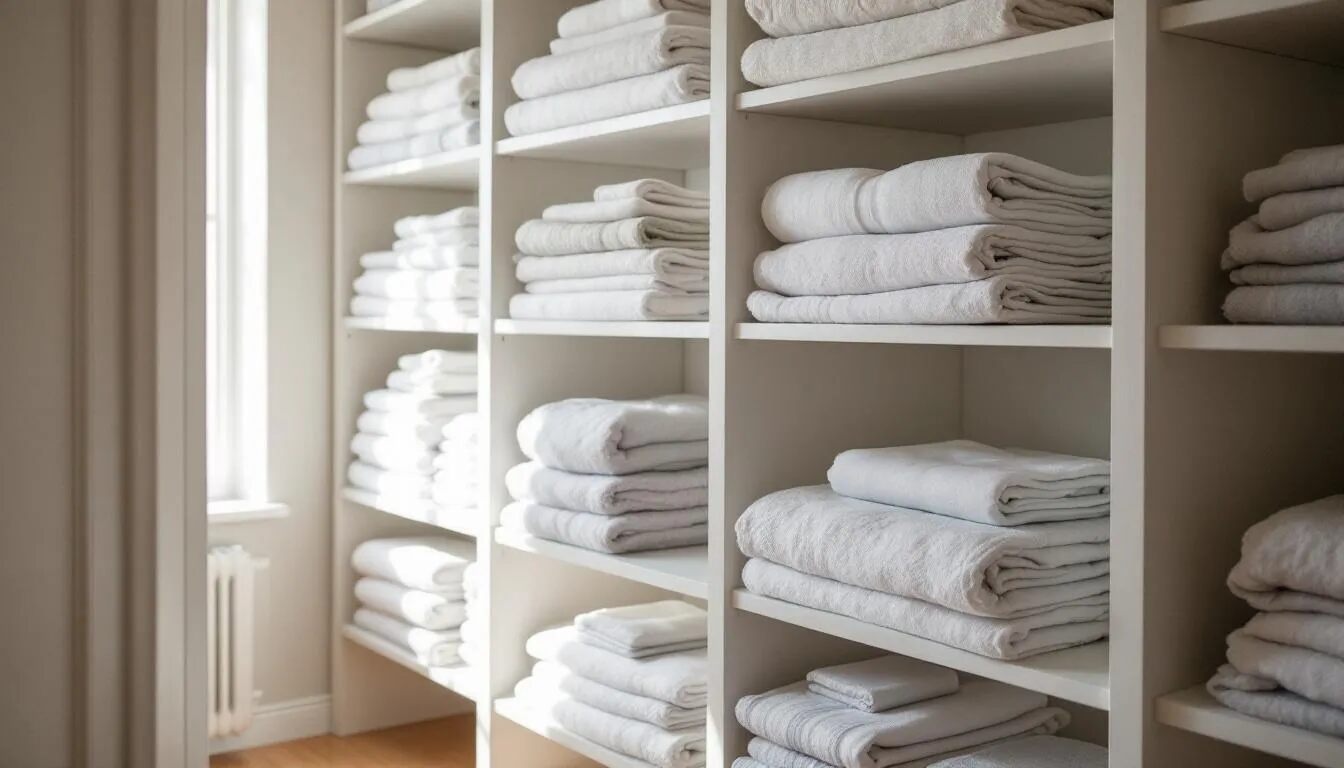
Popular bulk categories include non-perishables: bath linens, bed sheets, pillows, bulk toiletries (shampoo, conditioner, body wash), disposable slippers, and heavy-duty cleaning chemicals. These items don’t expire quickly and turn over steadily in most US properties.
The Rise of On-Demand (Just-in-Time) Hotel Procurement
On-demand ordering—sometimes called JIT or “pull” procurement—lets you order exactly what you need, when you need it. Modern platforms and regional distributors make next-day or even same-day delivery common in major metro areas like New York, Chicago, Los Angeles, and Atlanta.
Why many operators are moving toward on-demand:
- Zero storage headaches— Boutique hotels and historic properties with tiny basements finally breathe easy.
- Freshness and flexibility — Perfect for seasonal toiletries, eco-friendly guest amenities that change with trends, or perishables in F&B outlets.
- Better cash flow— Pay only for what you use this month instead of tying up thousands in inventory.
- Easy scaling — Sudden group bookings or a viral influencer stays? Just place a quick order—no overstock waste.

Head-to-Head: Buying Bulk vs On-Demand Supplies in the US hotels
Let’s put numbers on it.
- Cost Example (typical mid-size hotel, 150 rooms):
- Bulk towels (500 dozen): $4.20 per dozen after discount + one shipping fee.
- On-demand (same quantity over 12 months): $6.80 per dozen + 12 separate delivery charges.
Result: Bulk saves roughly $1,500–$2,500 per year on towels alone—before you factor in time saved on ordering.
- Storage & Space Reality Check:
Large chain hotels or resorts with dedicated warehouses win with bulk. Independent or urban boutique hotels often lose money storing excess stock that gathers dust.
- Risk Profile
Bulk carries overstock risk if occupancy drops (remember 2020?). On-demand carries stock-out risk if suppliers delay. In today’s market, with hotel supply growth slowing to just 0.5–2.6% annually, reliable bulk partners actually reduce risk for predictable items.
- Sustainability Angle
Fewer trucks = lower emissions. Bulk wins here for most hotels, especially those chasing LEED or Green Key certifications popular with corporate and international travellers.
- Admin Time
Bulk: One big order every 3–6 months.
On-demand: Weekly or bi-weekly ordering. Many properties now automate this with supplier portals, but it still takes staff time.
When to Choose bulk vs on-demand hotel supplies or a Hybrid Strategy?
Go heavy on bulk if you:
- Operate 100+ rooms or multiple properties.
- Have warehouse or basement storage.Buy non-perishables (linens, towels, bulk soap, cleaning supplies)
- Want price certainty against inflation and tariffs.
Lean toward on-demand if you:
- Run a boutique or historic hotel with limited space.
- Experience highly seasonal or unpredictable occupancy.Need specialty or trending items (plastic-free amenities, luxury branded robes)
The winning hybrid model most US hotels are adopting in 2026:
- Bulk for core staples: towels, sheets, pillows, standard toiletries, and cleaning chemicals (60-70% of spend).
- On-demand for variable or trendy items: seasonal scents, eco-upgrades, or last-minute F&B supplies.
Practical Tips to Get Started Today
1. Audit your last 12 months— Track every supply category and calculate true landed cost (price + shipping + storage + waste).
2. Talk to 3–4 suppliers— Compare Walmart Business, specialized amenity wholesalers, and regional distributors. Ask for volume discounts and flexible minimums.
3. Test small— Start with one high-volume item (towels or shampoo) in bulk while keeping the rest on-demand. Measure results after 90 days.
4. Factor in total cost of ownership — Storage, insurance, obsolescence, and staff time matter more than sticker price.
5. Negotiate smart — Mention your occupancy trends and commitment to long-term partnership—many suppliers will sweeten the deal.
Final Verdict: Stop Choosing—Start Winning: Bulk vs on-demand hotel supplies:
Buying bulk hotel supplies almost always wins on pure cost and reliability for core items.
On-demand shines when flexibility and minimal storage are non-negotiable.
The real winners are the hotels that stop thinking in black-and-white and build a smart hybrid procurement plan. The result? Lower costs, happier guests, stronger margins, and peace of mind when the next supply-chain curveball arrives. Ready to run the numbers for your property? Grab last quarter’s invoices, list your top 10 supply categories, and start comparing quotes this week. You’ll likely discover thousands in hidden savings.
Drop a comment below: Are you team bulk vs on-demand hotel supplies, or already running a hybrid? Share your biggest win (or pain point) with hotel supplies—we read every one and love featuring real operator stories in future posts.
Subscribe for more practical procurement guides, cost-saving checklists, and 2026 hospitality trends delivered straight to your inbox. Your next big saving is just one smart order away.
Share this post with your GM or procurement team—the conversation it starts could be worth more than any single discount.
Happy Sourcing!