
Why Soft Goods Are #1 for Guest Happiness.

In the bustling world of hospitality, where competition is fierce and reviews can make or break a property, every detail counts toward creating unforgettable stays.
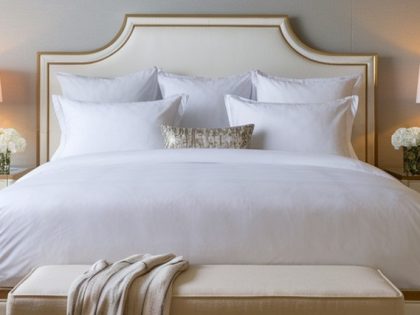
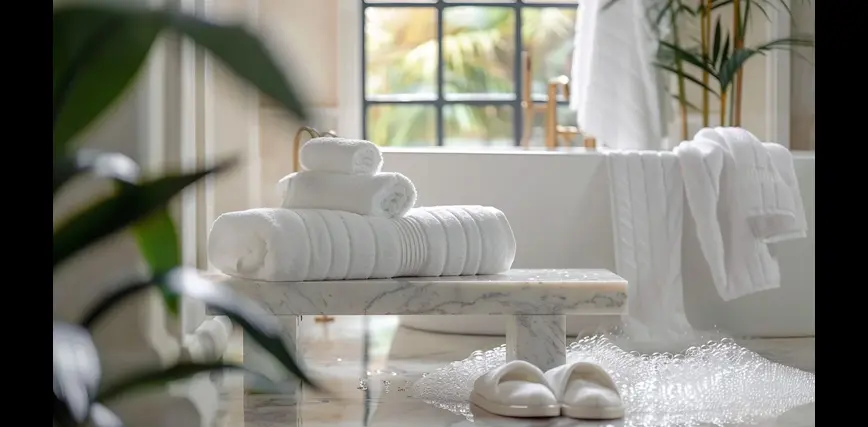
Picture this: A weary traveler checks into your hotel after a long flight. The room feels inviting, but what truly seals the deal is that a cloud-like bed with crisp, ultra-soft sheets, plush pillows promises the best sleep of their trip. Or the luxurious towels in the bathroom that feel like a spa experience. These aren’t just accessories, they’re “soft goods in hotels”, the unsung heroes driving guest satisfaction in hotels. Hard goods like furniture and fixtures often steal the spotlight in design discussions and soft goods like textiles such as bed linens, towels, bathrobes, curtains, carpets, and upholstery. These play a pivotal role in shaping perceptions of comfort, quality, and care.
High-quality “hotel linens” and “hotel towels” don’t just enhance the stay; they directly influence ratings, repeat bookings, and word-of-mouth recommendations. In this post, we’ll dive deep into how investing in premium soft goods elevates the guest experience, backed by real insights and practical strategies. Whether you’re a hotelier, designer, or hospitality enthusiast, understanding this role can transform your property’s success.

What Are Soft Goods in Hotels?
Soft goods encompass all the fabric-based elements that add texture, comfort, and warmth to a hotel room. Think Egyptian cotton sheets with high thread counts, absorbent Turkish towels, heavy drapes that block out city noise, plush carpeting underfoot, and elegant upholstery on sofas and chairs.Unlike durable “hard goods” (beds, desks, or lighting), soft goods are replaceable and require regular maintenance, but their impact is anything but temporary.
In the hospitality industry, these items form the tactile foundation of every guest interaction. They signal luxury, hygiene, and attention to detail. As one industry analysis notes, soft furnishings shape a staggering 80% of guests’ first impressions through both visual appeal and touch. When executed well, they turn a standard room into a sanctuary.

Comfort and Sleep: The Foundation of Guest Satisfaction
The provision of a restful night’s sleep represents a critical factor in enhancing hotel guest satisfaction, with soft goods playing a pivotal role in this regard. Uncomfortable bed linen or lumpy pillows don’t just disrupt rest; they lead to negative reviews and lost loyalty.
Research shows that poor bedding quality correlates directly with lower sleep satisfaction and overall ratings, particularly in upscale properties where expectations run high. High-quality “hotel bedding” changes everything. Guests rave about sheets that feel crisp yet breathable, duvets that regulate temperature perfectly, and pillows that support without smothering.
One compelling statistic drives this home: 73% of hotel guests report that the softness and freshness of linens directly influence their decision to return, proving that investment here pays dividends in repeat business and glowing testimonials. For hotels, prioritizing superior linens isn’t optional; it’s essential for delivering that “wow” factor travelers remember and share online.
Hygiene, Cleanliness, and Lasting Impressions
Cleanliness ranks as a top priority for travelers—97% of guests consider it crucial, and over 70% inspect linens before settling in. Fresh, soft “hotel towels” and linens aren’t just practical; they communicate professionalism and care. Stained or threadbare fabrics scream neglect, tanking reputation and revenue through poor reviews.
The “clean linen effect” extends beyond the room. Pristine soft goods boost perceived value, encourage longer stays, and even increase spending in other areas like dining. Effective laundry management and timely replacements ensure every guest feels pampered, not compromised. Hotels that excel here see measurable lifts in online ratings and loyalty programs.
Aesthetics, Ambiance, and Sensory Delight
- Soft goods aren’t solely functional—they craft the emotional atmosphere.
- Elegant curtains muffle noise and regulate temperature for a peaceful retreat.
- Plush upholstery and carpets create cozy zones in lobbies or suites.
These elements add layers of style, from modern minimalism to opulent warmth, reinforcing brand identity. High-end soft furnishings reduce distractions while enhancing thermal comfort through insulation. The result? Guests linger longer, feel more relaxed, and rate their stay higher.
In competitive markets, this sensory excellence differentiates properties, turning one-time visitors into brand advocates.

Best Practices for Managing Soft Goods to Boost Reviews
To maximize “guest satisfaction in hotels”, adopt smart strategies:
- Invest in quality upfront: Choose durable, high-thread-count fabrics designed for commercial laundering. While costs rise initially, longevity and superior feel reduce replacements and delight guests.
- Maintain rigorously: Partner with reliable suppliers and implement strict cleaning protocols. Track inventory with replacement cycles (typically 18–36 months for linens).
- Personalize where possible: Offer pillow menus or signature bathrobes—small touches that guests love and photograph.
- Leverage data: Monitor reviews for feedback on bedding or towels, then act swiftly.
These practices not only elevate satisfaction but protect your online reputation in an era where one bad post can deter dozens of bookings.
Emerging Trends: Sustainable Soft Goods for the Modern Traveler
In 2025 and beyond, sustainability is non-negotiable. Guests seek eco-conscious options like organic cotton, recycled polyester, or low-water fabrics. Hotels adopting green “hotel linens”—sourced ethically and processed with energy-efficient methods. It appeals to the growing demographic prioritizing planetary impact alongside luxury.
Sustainable soft goods deliver dual benefits:
- reduced environmental footprint and
- enhanced guest loyalty.
Properties showcasing these choices often earn bonus points in reviews and certifications that attract premium clientele. It’s a win for satisfaction, branding, and the planet.
Conclusion: Elevate Your Hotel with Thoughtful Soft Goods
Soft goods in hotels are far more than operational necessities. They’re powerful drivers of “guest satisfaction in hotels”. They are influencing everything from
- sleep quality,
- cleanliness perceptions to ambiance,
- loyalty.
By investing in premium “hotel linens”, towels, and furnishings, properties create memorable experiences that translate into higher ratings, repeat visits, and stronger revenue. The evidence is clear, from the 73% of guests swayed by fresh linens to the near-universal demand for quality and cleanliness, soft goods deliver outsized returns. In a post-pandemic world where travelers crave comfort and care, prioritizing these elements isn’t just smart—it’s essential.

Hoteliers, take note:
- Audit your soft goods today.
- Partner with trusted suppliers for upgrades.
Guests, next time you enjoy that perfect bed or spa-like towel, leave a review highlighting what made your stay special—it helps everyone! What role have soft goods played in your favorite hotel stays? Share in the comments below, and don’t forget to share this post with fellow hospitality pros.
For more insights on hotel trends, amenities, and guest experience strategies, subscribe to our blog—we’re here to help you create spaces guests love returning to.