
Sustainable & Biodegradable Sugarcane Bagasse Plates
In today’s hospitality landscape, guests expect more than just comfort and excellent service. They seek experiences that align with their values, particularly environmental responsibility. By incorporating these bio-based plates, your establishment demonstrates a commitment to sustainability. It provides guests with a high-quality, eco-friendly dining experience.
Biodegradable Sugarcane bagasse plates have emerged as a premium, practical alternative to traditional disposables. It allows hotels to reduce plastic waste. And maintaining the elegance and functionality demanded in fine dining, banquets, and room service. This blog explores how hotels can integrate bagasse tableware, its advantages in a hospitality context. And also why it’s becoming a cornerstone of sustainable hotel operations.
Understanding Sugarcane Bagasse as a Material transforms into Biodegradable Plates:
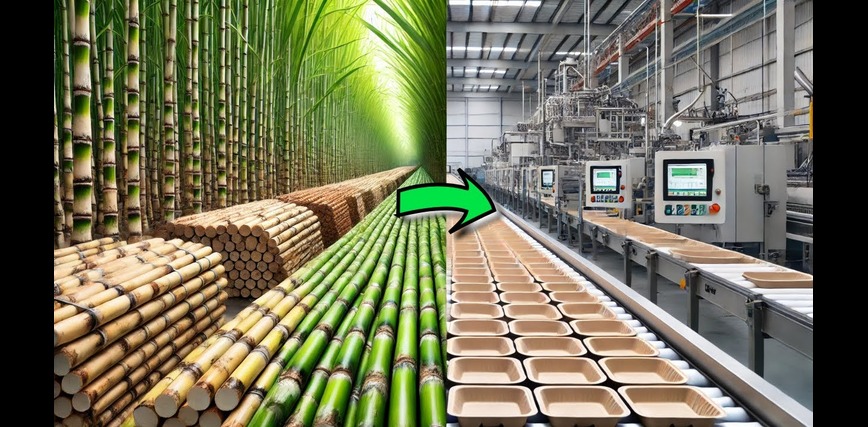
From Agricultural Byproduct to Premium Tableware
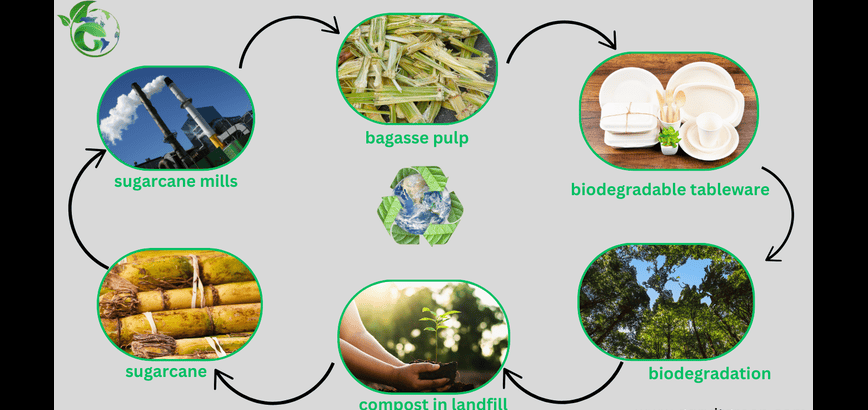
Sugarcane bagasse is the fibrous residue left after extracting juice from sugarcane stalks for sugar production. Rather than being burned or discarded, this abundant byproduct is pulped, moulded, and pressed into sturdy, attractive plates, bowls, and trays.
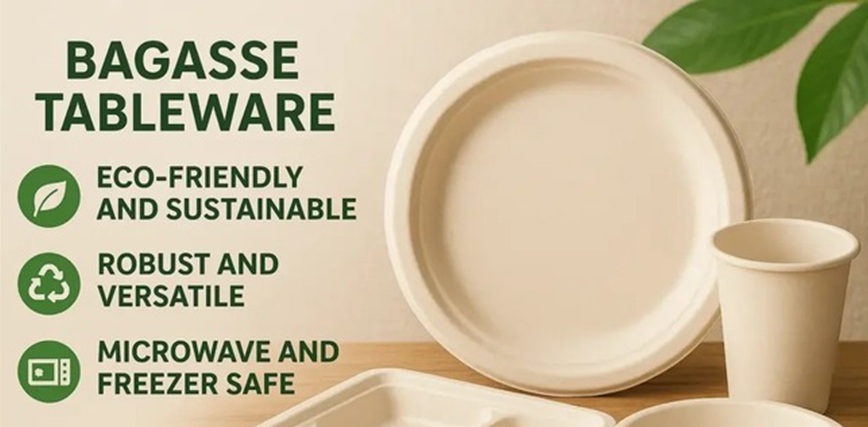
The material is naturally heat-resistant (safe for hot foods up to 100°C+), grease-proof, and microwave-safe. It makes it far superior to conventional paper or foam disposables. Its subtle natural texture and warm off-white color convey an organic, upscale feel. And so that complements hotel aesthetics from casual poolside cafes to sophisticated banquet halls.
Why Hotels Are Switching to Bagasse Plates?
a. Meeting Guest Expectations for Sustainability
Modern travellers actively choose accommodations that prioritize green practices. Offering bagasse plates signals genuine commitment. Its visible in dining areas, room service trays, and event setups—turning a simple meal into a statement of responsibility.
b. Operational and Cost Benefits:
Bagasse delivers long-term savings through reduced waste disposal fees. There’s no need for plastic recycling streams, enhanced brand reputation, and compliance with emerging regulations. Its durability reduces breakage complaints, while stackability simplifies storage in busy kitchens.
Performance in High-Volume Hotel Settings
Banquet and Event Excellence : Large-scale events generate enormous amounts of disposables. Sugarcane Bagasse plates handle heavy, saucy dishes without leaking, stay rigid under buffet heat lamps, and support elegant plating. Their neutral appearance pairs beautifully with linen napkins and floral centerpieces.
Room Service and In-Room Dining: Room service trays benefit from bagasse’s ability to maintain food temperature and resist sogginess. They provide a more luxurious unboxing experience, and hotels can add subtle branding for reinforcement.
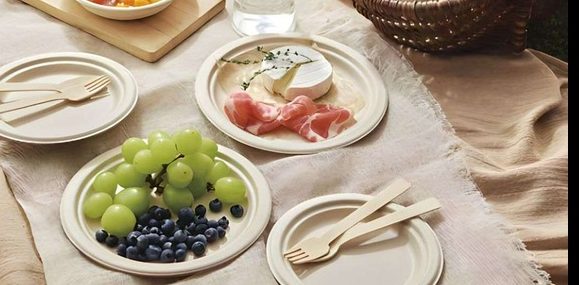
Poolside, Cafe, and Outdoor Venues: Outdoor areas face wind and humidity. Bagasse plates‘ natural strength prevents issues, while their compostable nature simplifies cleanup with no plastic litter.
Environmental Advantages for Hotel Operations
Zero Plastic Waste from Dining
Switching eliminates polystyrene and plastic waste from food service. Bagasse decomposes in commercial composting within 45–90 days, turning into nutrient-rich soil.
Lower Carbon Footprint and Closed-Loop Benefits
Production uses agricultural waste with lower energy needs than plastic. Hotels can partner with composting services to close the loop, potentially using compost for on-site gardens.
Practical Implementation Tips for Hotels
a. Sourcing and Supplier Selection: Opt for certified (BPI/OK Compost) suppliers with consistent quality. Start with trials in one outlet for feedback before full rollout.
b. Staff Training and Guest Communication: Train teams to highlight features and add signage like “Served on 100% biodegradable sugarcane plates”. It educates and amplify the message.
c. Pairing with Complementary Eco-Items
Combine with bagasse cutlery, cups, and bamboo accessories for a cohesive plastic-free setup.
d. Real-World Impact: Hotels Leading the Way
Progressive properties use bagasse for beachside dinners, conference breaks, and zero-waste initiatives. Guests often praise the “premium” and “thoughtful” feel, boosting reviews.
Looking Ahead: The Future of Sustainable Hotel Dining
As regulations tighten and consumer demand grows, bagasse and similar bio-materials will likely become standard in hospitality. Innovations in coatings, enhancing liquid resistance, and a wider design selection. It includes colored or embossed options, are expanding possibilities while maintaining compostability.
By adopting sugarcane bagasse biodegradable plates today, hotels position themselves as forward-thinking leaders rather than followers. The switch goes beyond a simple material replacement. It’s a visible expression of care for the planet, delighting guests while protecting the environments they travel to enjoy.
In conclusion, incorporating these bio-based plates allows your establishment to deliver exceptional dining. It genuinely contributes to a more sustainable world. Guests depart not only content with the meal but also invigorated by the experience, demonstrating that luxury and responsibility can harmoniously coexist.