Lower Expenses, Happier Guests: High-Efficiency Hospitality
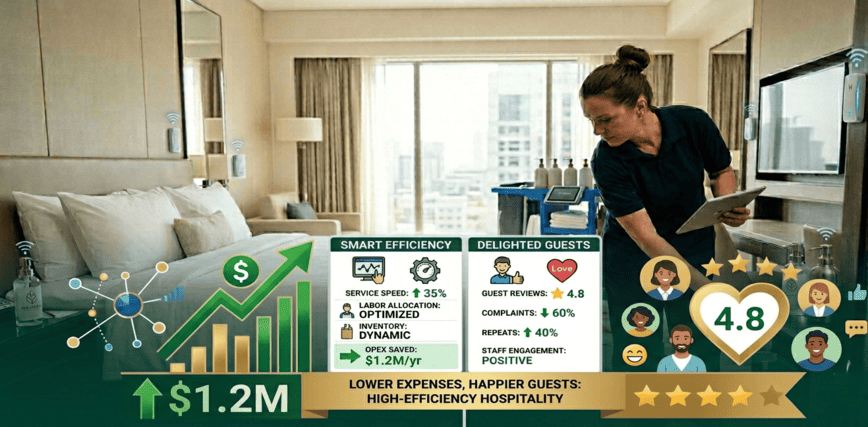
Running a profitable hotel or motel in the U.S. means balancing operational efficiency with exceptional guest service. Although the housekeeping department is one of your largest expenses—accounting for 25% to 35% of total operating costs, it is also the most visible to guests. Poor cleaning or missing amenities can tank your ratings overnight.
The good news is that you can significantly reduce housekeeping costs and amenity expenses. And also without compromising the guest experience. By implementing smart strategies like optimizing staffing, switching to refillable amenities, and tracking key metrics. U.S. hoteliers can cut costs by 15-30%, while maintaining crisp rooms and happy guests.
In this guide, we’ll walk through actionable, proven tactics tailored for hotels and motels across America, with tips on sourcing quality supplies from trusted partners like Life Hotel Supply.
Why Housekeeping and Amenity Costs Are Rising in U.S. Hospitality
Labor shortages, supply chain disruptions, and rising utility prices are squeezing hotel budgets. Managing labor effectively is one of the industry’s biggest hurdles. In fact, according to the U.S.Bureau of Labor Statistics, hospitality had the second-highest turnover rate in 2023, with replacement costs ranging from 30% to 150% of an employee’s annual salary. Meanwhile, amenity waste—from unused mini toiletries to overstocked soap—can add up to 30% overspending on housekeeping supplies.
These pressures hit smaller motels with limited staff much harder; consequently, strategic planning is essential to turn those challenges into opportunities for savings.
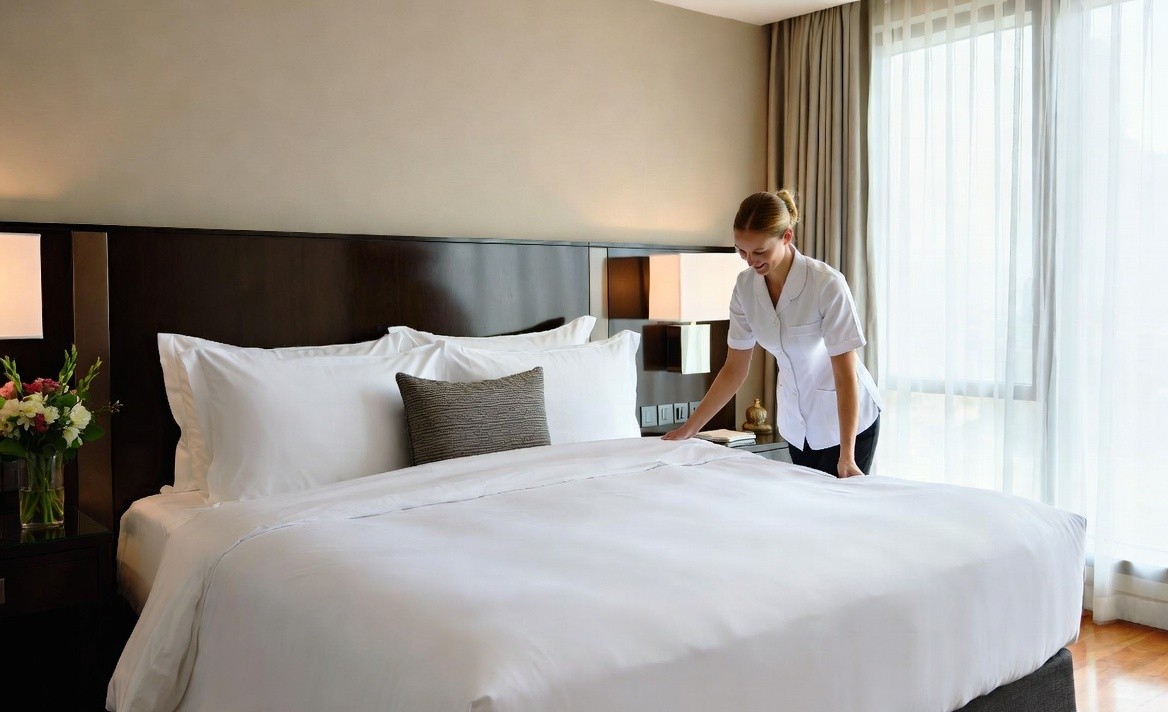
Strategies to Reduce Housekeeping Department Costs
1. Reduce Turnover Through Better Onboarding and Training
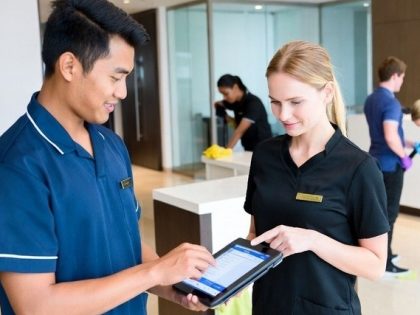
High turnover drains resources. Prioritize comprehensive onboarding with structured checklists covering policies, procedures, and training materials. Assign mentors to new hires for their first weeks, invest in ongoing training programs, and foster diversity to build morale. Skilled, loyal staff clean faster and make fewer mistakes, boosting productivity.
2. Streamline Purchasing with Procurement Platforms
Guest amenities, detergents, and cleaning supplies may seem minor, but they ultimately add up to a substantial expenses. Use platforms like Lilo—a hospitality procurement solution that negotiates wholesale rates and provides real-time inventory visibility.
For motels, bulk purchasing from suppliers like Life Hotel Supply offers discounts on concentrated, eco-friendly products that require less usage and packaging.
3. Encourage Towel and Linen Reuse
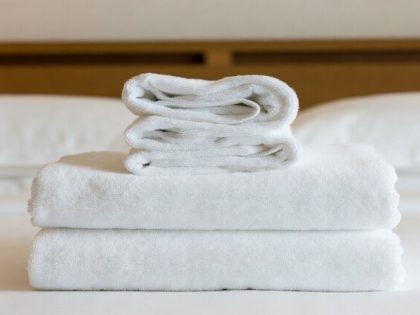
Promote sustainability with “green program” cards encouraging guests to reuse towels. This reduces laundry costs (labor, water, energy) and extends towel lifespan. Many guests appreciate eco-friendly options, enhancing your brand’s reputation.
4. Track and Optimize Minutes per Room (MPR)
- Cleaning a room takes 20-30 minutes; at $20/hour, that’s $6,000-$10,000 monthly for 1,000 room nights.
- Reduce cleaning time by just 2 minutes per room to save 10% on labor.
- Use housekeeping scheduling apps to monitor MPR (Minutes per Room) or MinPOR (Minutes per Occupied Room) for data-driven control.
5. Embrace Technology and Contactless Checkouts
Room occupancy sensors prioritize cleaning schedules, while specialized apps streamline staff communication. Contactless checkouts eliminate manual departure checks, reducing labor burdens. Automated inventory systems track supply usage and reorder levels, preventing overstocking.
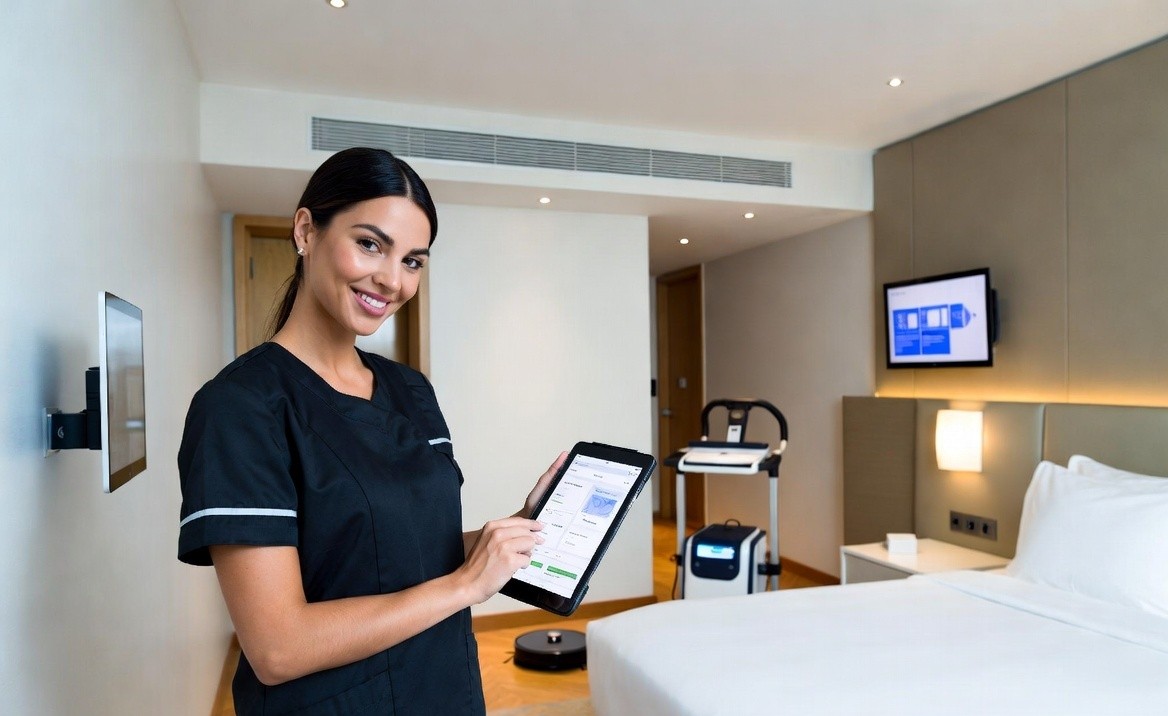
Reducing Amenity Costs Without Affecting Guest Experience
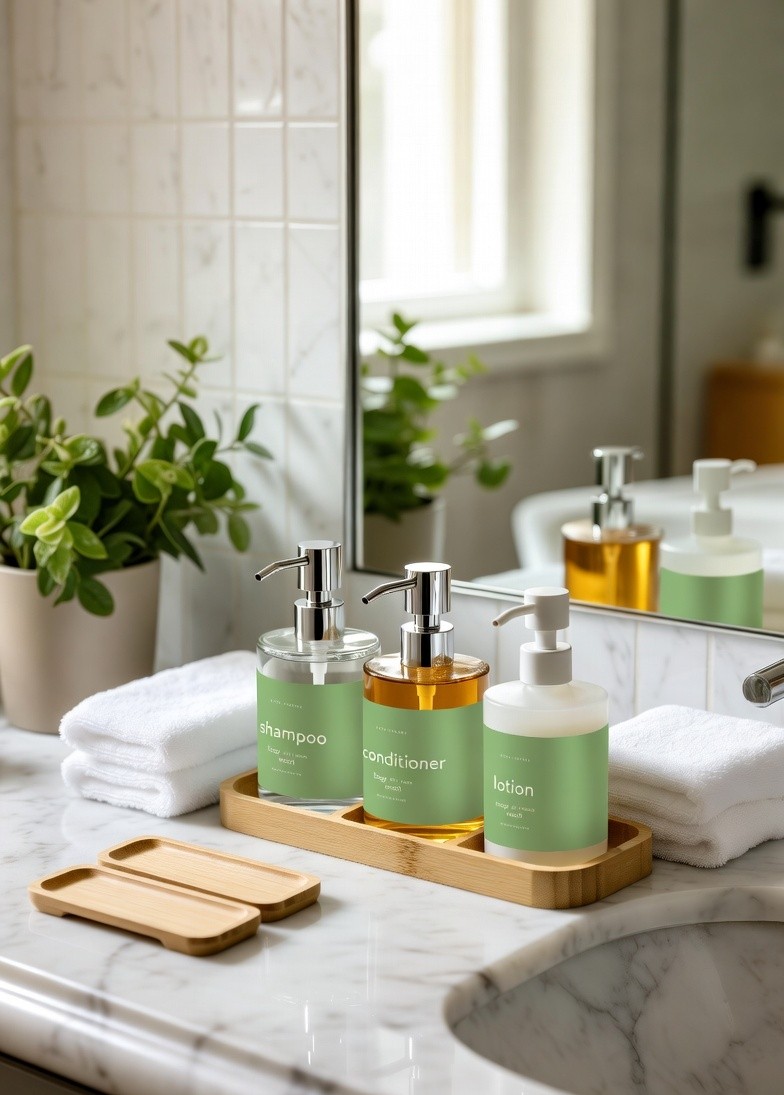
1. Switch to Refillable, Reusable Amenities
Replace single-use mini bottles (shampoo, soap) with wall-mounted dispensers. These cuts purchasing costs by 40-60% and reduces plastic waste, appealing to eco-conscious guests. Premium dispensers from suppliers like Life Hotel Supply maintain a luxury feel.
2. Choose Reliable Suppliers and Optimize Contracts
Partner with reputable suppliers offering high-quality products at competitive prices. Negotiate flexible terms for long-term solutions, avoiding fluctuating market prices.
Life Hotel Supply’s durable amenities balance cost and perceived value.
3. Opt for Eco-Friendly, Sustainable Products
Natural soaps and bamboo toothbrushes are popular with sustainability-focused guests. These durable items enhances your green reputation, while often costing less over time.
4. Manage Inventory Efficiently with Smart Systems
Implement inventory management software to forecast demand and track usage patterns. Avoid overstocking by adjusting orders based on real data. For example, token-based amenity requests, prevents waste.
5. Survey Guests to Understand Real Needs
Conduct surveys to identify the amenities guests actually use. Tailor offerings to preferences, eliminating unused items like extra pillows. Quality over quantity: A premium amenity set elevates experience without excess.
6. Use Technology to Track Usage
IoT systems monitor real-time consumption, predicting replenishment needs and minimizing waste. This data-driven approach ensures you provide what matters.
Implementing a Cost-Saving Plan: Step-by-Step
- Assess Current Expenses: Review spending on staffing, supplies, and utilities. Identify high-cost areas like labor or overused amenities.
- Optimize Staffing: Cross-train employees for flexible roles and use occupancy forecasts for efficient scheduling.
- Standardize Procedures: Develop SOPs for cleaning tasks to ensure consistency and reduce rework.
- Bulk Buy and Negotiate: Purchase supplies in bulk and negotiate vendor contracts for better pricing.
- Monitor and Adjust: Continuously review expenses, gather guest feedback, and adjust strategies quarterly.
Long-Term Benefits: Sustainability and Profitability
Adopting these housekeeping cost reduction strategies and amenity expense tips delivers lasting ROI. Hotels report 30% less waste, extended linen lifespans, and improved guest reviews praising “fresh, thoughtful” rooms. Sustainability enhances brand reputation, attracting eco-travelers.
Partner with quality suppliers like Life Hotel Supply for durable linens and amenities built for U.S. hospitality demands.
Ready to boost profits without sacrificing service?
Start with one tactic today—like towel reuse cards—and track your savings.
What’s your biggest housekeeping cost challenge?
Share in the comments—we reply to every one!